Cornwall Weather and Falmouth Weather: What to Expect Year-Round

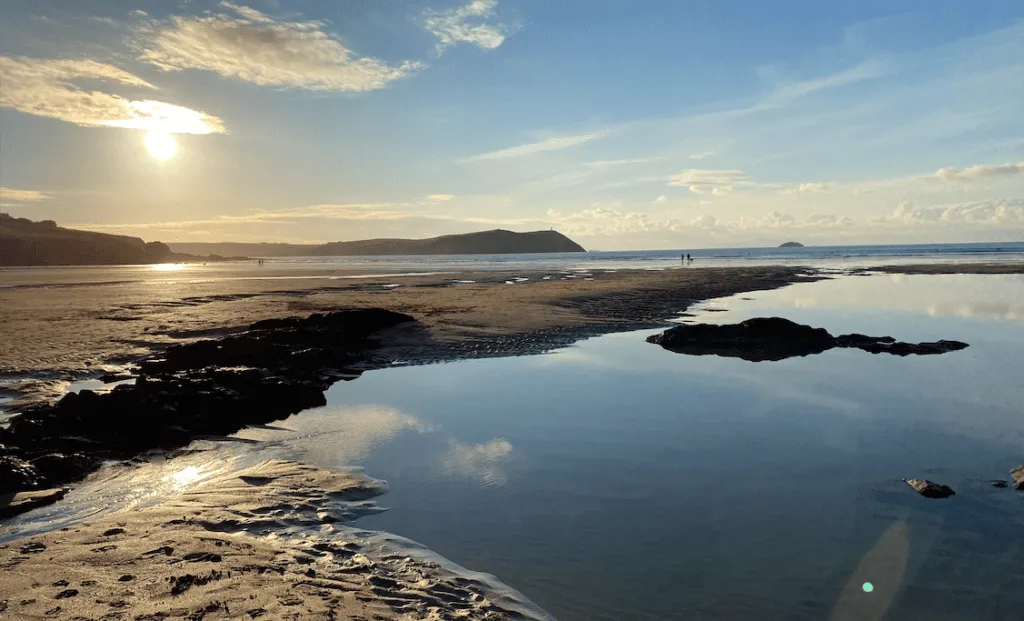
If you're planning a trip to Cornwall, the weather is one of the first things you'll want to size up. The good news: Cornwall has one of the mildest climates in the UK, with warm summers, gentle winters, and a south-coast microclimate that gives Falmouth even better conditions than the county average. Here's what to expect, when to come, and what to pack.
Cornwall's climate at a glance
Cornwall sits on the south-western tip of England, jutting into the Atlantic with sea on three sides. That gives it a temperate oceanic climate: mild winters, warm-but-not-hot summers, and weather that can swing between sunshine and showers in the same afternoon. The Gulf Stream keeps coastal water temperatures higher than the latitude would suggest.
Average temperatures by season:
- Winter (Dec–Feb): 4–9°C
- Spring (Mar–May): 9–15°C
- Summer (Jun–Aug): 15–20°C
- Autumn (Sep–Nov): 11–17°C
The big quirks to know about: the south coast is consistently warmer and sunnier than the north, the moors inland (Bodmin in particular) are colder and wetter than anywhere on the coast, and the difference between a windy day on the cliffs and a still day in the harbour can be ten degrees of feels-like temperature.
Falmouth's microclimate
Falmouth has its own thing going on, even by Cornish standards. Its position on the south coast, sheltered by Pendennis Point and the Roseland Peninsula, gives it some of the sunniest weather in the county. Compared to the rest of Cornwall:
- Warmer winter nights. The bay holds heat, keeping overnight lows a degree or two higher than inland.
- Less rain than the north coast. Atlantic showers tend to pass through quickly, with more sun overall.
- Cooler summer afternoons. Sea breezes mean Falmouth rarely sees the heatwaves the south-east of England gets.
It's why Falmouth has been a year-round destination for two centuries.
Cornwall weather by season
What's Cornwall like in spring (March to May)?
Spring brings longer days, the gardens coming back to life, and milder temperatures. Expect a mix of sunshine and showers. Trebah and Glendurgan hit their peak in April and early May with the magnolias and bluebells. Coastal paths feel newly walkable. Average temperatures: 9 to 15°C.
Best for: walking, wildlife spotting, sub-tropical gardens, early beach days for the brave.
What's Cornwall like in summer (June to August)?
Summer in Cornwall is mild, sunny and made for beaches. July and August are the warmest months, but also the busiest. Sea mist on early mornings is common and usually burns off by mid-morning. Average temperatures: 15 to 20°C.
Best for: beach days, watersports, harbour boat trips, evening wild swims.
What's Cornwall like in autumn (September to November)?
September is one of Cornwall's best-kept open secrets: the sea is at its warmest, the kids are back at school, and the beaches empty out. Temperatures cool through October and November but stay mild compared to the rest of the UK. Storms start rolling in by November, which makes for dramatic coast walks. Average temperatures: 11 to 17°C.
Best for: quieter beaches, coast-path hiking, early storm watching, the food and pub scene.
What's Cornwall like in winter (December to February)?
Winter is mild but unpredictable. Atlantic storms produce some of the most dramatic seascapes in Britain. Snow at sea level is rare. The Christmas-to-New-Year window is genuinely festive in Falmouth, with the lights up around the harbour. Average temperatures: 4 to 9°C.
Best for: cosy cottage stays, storm watching, indoor attractions, winter walks with a pub at the end.
What to pack for Cornwall
Cornwall's weather changes fast, so layers beat anything else. Quick guide:
- Spring and autumn: light layers, waterproof jacket, walking shoes, a hat for windy days.
- Summer: sunglasses, sunscreen, swimwear, light layers, a thin raincoat. Possibly a wetsuit if you plan to swim.
- Winter: warm fleece, waterproof and windproof outer, sturdy boots. Wool socks.
In any season, bring a windproof layer. The wind off the sea is the variable that surprises visitors most.
Where to check the forecast
A few reliable sources to bookmark before you travel:
- Met Office Falmouth for the town forecast
- Met Office Falmouth Bay for marine and coastal conditions including wave height
- BBC Weather for a clean overview, search for your specific location
- XCWeather for wind and surf forecasts
For tide times, use Tide Times for Falmouth.
Best time to visit, in one line
If you want warm weather and lively events: July and August. If you want still-pleasant weather without the crowds: May, June or September. If you want stormy seas, empty beaches and very low prices: January or February.
Frequently asked questions
Is Cornwall warmer than the rest of the UK?
Yes. Cornwall benefits from the Gulf Stream and a maritime climate, giving it some of the mildest winters in the UK. Average winter lows rarely drop below 4°C. Summers are similar to the south coast of England, typically 15 to 20°C.
When is the best time to visit Cornwall for good weather?
May, June and September strike the best balance of warm weather and smaller crowds. July and August are the warmest and busiest. Spring and autumn carry more risk of rain but bring lower prices and quieter beaches.
What is the warmest month in Cornwall?
July and August are the warmest, with average highs around 19 to 20°C. Falmouth and the south coast tend to feel warmer than the windier north coast.
Does it rain a lot in Cornwall?
Cornwall gets rainfall similar to the UK average, around 1000mm a year. The maritime climate means showers tend to pass through quickly rather than settling in for whole days. The wettest months are November and December.
Does Falmouth get snow?
Snow in Falmouth is rare. The mild maritime climate keeps temperatures above freezing most winters. Brief snowfall happens once every few years, but settling snow at sea level is unusual. The moors inland, Bodmin Moor in particular, see snow more often.
Can you swim in the sea in Cornwall outside summer?
Yes, with a wetsuit. Sea temperature peaks around 17°C in late August and September, which is the most pleasant swimming window. October sea temperatures are around 14°C, which suits hardy swimmers. Year-round sea swimming is increasingly popular and many local groups meet for winter dips.
Is Falmouth windy?
Falmouth is sheltered from the strongest Atlantic winds by Pendennis Point and its position on the south coast. It is windier than inland England, but noticeably calmer than Cornwall's north coast or the Lizard. Sea breezes are common on summer afternoons.
What should I pack for Cornwall in summer?
Layers and a light waterproof. Even in July and August, a coastal day can swing from t-shirt warm to wind-chilled in an hour. Pack swimwear, sunscreen, sunglasses, walking shoes and a thin rain jacket. A wetsuit or rash vest is worth packing if you plan to spend time in the sea.
Tags
Stay in touch
Occasional Cornwall updates from Rich at Trewena. Around four times a year, never more.
Planning a trip to Cornwall?
Three one-bedroom cottages on a smallholding on the edge of Falmouth. A genuine Cornish base for couples and singles.