The Best Wild Swimming Spots in Cornwall: Hidden Gems and Popular Locations

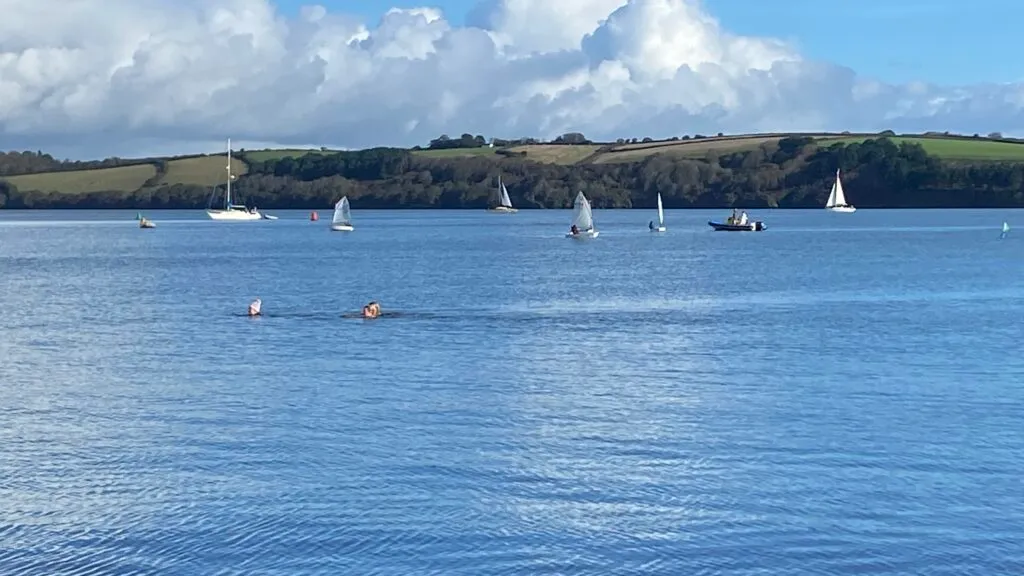
Cornwall has long been a haven for water-sports lovers, attracting surfers, paddleboarders and kayakers from across the country. In the past decade, the wild and cold-water swimming scene has grown dramatically too, with year-round swim groups at most coastal towns and a steady drumbeat of new converts trading the gym pool for the Atlantic.
This is a guide to the best wild swimming spots in Cornwall, from sheltered Falmouth-area sea swims through dramatic west-coast coves to woodland waterfall pools and the famous tidal-fed pools of the north coast. The safety basics are at the bottom and worth reading first if you are new to it.
Coastal swimming spots
Gylly Beach and Castle Beach, Falmouth
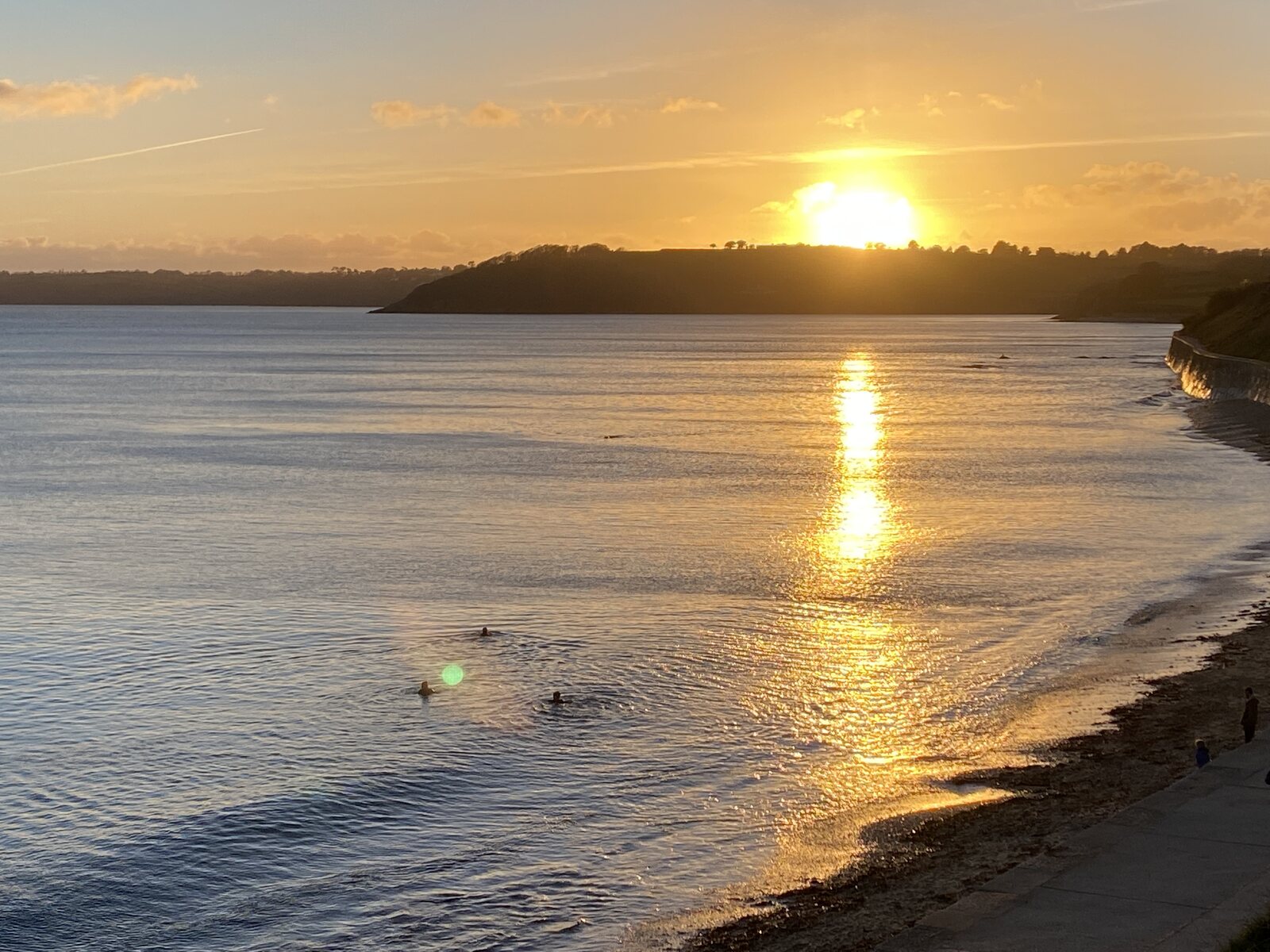
Gyllyngvase Beach, or Gylly to locals, is the most accessible and consistently swimmable beach in the Falmouth area. The sheltered bay gives clear, calm water in most conditions, the gradient is gentle and the beach has Blue Flag status with showers, toilets and a year-round cafe. Easy first wild swim, easy hundredth wild swim. Next door, Castle Beach gives a different feel: rock pools at low tide, more shelter from south-westerly winds and a small but committed year-round swim crowd. Both are at their best at sunrise and on still autumn evenings.
Nanjizal Beach (Song of the Sea Cave)
Nanjizal is one of Cornwall's true hidden swims, a remote sand-and-rock cove near Land's End reached by a moderate clifftop walk. The headline feature is the Song of the Sea cave, a narrow rock archway through which beams of light fall onto the turquoise water. Best at high tide, when the sea fills the cave and the rock pools come alive. No facilities, no lifeguards, plan accordingly.
Portheras Cove
A north-coast hidden gem between Pendeen and St Just, Portheras Cove sits at the foot of rugged cliffs with golden sand and a sheltered approach to the water. The reputation is for clear conditions and frequent seal sightings, both well earned. Access is via a short coastal-path walk from Pendeen Watch lighthouse. No facilities. Pack everything you need.
Prussia Cove
A series of small interconnected coves on the south coast near Praa Sands, named for the 18th-century smuggler John Carter, the so-called "King of Prussia". Long, calm-water swimming on settled days, dramatic rock backdrops, and a deep sense of out-of-the-way that the more famous spots have lost. Access is on foot from limited cliff-side parking. No facilities.
Kynance Cove
Kynance Cove on the Lizard Peninsula is arguably Cornwall's most photographed beach for good reason: white sand, turquoise water and serpentine-rock formations that look like a film set. The flip side is that everyone knows about it. Aim for early morning or late afternoon to swim with the place to yourself, and watch the tide carefully (the beach is largely covered at high tide, and the currents around the rocks can be strong). The cafe above the beach is excellent.
Tidal and rock pools
Chapel Rock Pool, Perranporth
A natural seawater pool at the foot of the cliffs at the south end of Perranporth Beach. Fills at high tide, leaves a safe, enclosed swim at the half-tide and below. Perfect for families, beginners and anyone who wants the sea-water feel without the open-water risk. Combine with a long walk along Perranporth's two-mile sandy beach.
Bude Sea Pool
A semi-natural saltwater pool beneath the cliffs at Summerleaze Beach in Bude, built in 1930 and run today by the Friends of Bude Sea Pool charity. The headline tidal pool in the country: clean, sheltered, refilled every high tide, and far enough from the open sea to be safe in conditions that rule out the beach itself. A favourite of competitive sea swimmers and weekend dippers alike.
Mousehole Rock Pool
A natural rock pool in the picturesque fishing village of Mousehole, near Penzance. Calm, sheltered and beautifully framed by granite cottages and the harbour wall. Best at the turning tide. Pair with a coffee at a Mousehole cafe and the December Christmas lights walk if you are visiting in winter.
Treyarnon Bay Tidal Pool
A natural rock pool carved into the shore at Treyarnon Bay on the north coast near Padstow. Saltwater, deep enough for a proper swim, and with one of the best Atlantic sunset backdrops anywhere on the coast. At low tide the pool sits alone; at high tide the waves roll over the rocks for an exhilarating swim experience.
Polperro Tidal Pool
A small rock pool tucked into the south-coast fishing village of Polperro. Quieter than the famous tidal pools further north, refilled by every high tide, framed by the village's slate-roof cottages. Perfect for a slow-paced swim and a Cornish-pasty lunch in the village afterwards.
Freshwater swims
St Nectan's Glen, Tintagel
Inland from Tintagel on the north coast, St Nectan's Glen is a woodland walk that ends at a 60-foot waterfall plunging into a hollowed-out rock pool. Magical setting, sacred to local folklore, water cool year-round. Wear water shoes (the rocks are slippery) and respect the site, this is genuinely an old place. Entry fee at the gate funds the upkeep of the trail.
Golitha Falls, River Fowey
A series of waterfalls and deep pools along the River Fowey as it crosses Bodmin Moor, set in ancient oak woodland. Strong currents in the falls themselves (especially after rain) but calmer pools either side that work well for shorter dips. Look out for kingfishers and otters. Combine with a moor walk for a full day.
Goldiggins Quarry, Bodmin Moor
A flooded former granite quarry on Bodmin Moor with deep, clear water and granite cliffs around the perimeter. Cliff jumping is part of the scene for confident swimmers (do not jump unless you have personally seen a clean entry from your point), and the sheer setting makes it a memorable swim. Remote, rough underfoot to reach, no facilities.
Wild swimming safety basics
A short version of our seaside safety guide, tuned for swimmers:
- Cold water shock is the leading risk. Below 15C, your body's first response to immersion is a gasp reflex that lasts 60 to 90 seconds. If your face is underwater, you can drown in calm conditions. Enter slowly, splash your neck and face first, and float on your back if you fall in unexpectedly until the reflex passes.
- Check tides and conditions on the day. Tidetimes.org.uk for tides, the Met Office Coast and Sea forecast for inshore conditions, and the RNLI lifeguarded beaches finder for cover dates.
- Use a tow float and a bright cap. Both for visibility (boats, paddleboards, lifeguards) and floatation if you tire.
- Never swim alone. Especially at remote spots without a lifeguard.
- Build cold-water tolerance gradually. If you want to swim through winter, dial it down by half a minute a week from autumn rather than diving into November head-first.
- Warm up properly afterwards. A hot drink, dry layers, gentle movement. A Dryrobe is genuinely useful from October through April.
Beyond wild swimming
If wild swimming is your way into Cornwall, our cluster of guides covers natural pairings:
- The best beaches near Falmouth for the Bay-side cluster within walking distance of each other.
- The best places to paddleboard in Cornwall for flat-water coastal paddling, including Helford Passage and Falmouth Bay.
- The best surfing spots in Cornwall for the wave end of the spectrum.
- The Lizard road-trip itinerary for the coast that holds Kynance Cove.
- Reasons to visit Cornwall in winter and the best things to do in winter for cold-water year-round Cornwall.
- Understanding seaside safety in Cornwall for the full safety guide.
Trewena Cottages near Falmouth puts the four Bay-side town beaches and the Helford swim spots within easy reach, with the Lizard 30 minutes away and Penwith / Land's End an hour west. For winter and shoulder-season availability, see our booking page.
Tags
Stay in touch
Occasional Cornwall updates from Rich at Trewena. Around four times a year, never more.
Planning a trip to Cornwall?
Three one-bedroom cottages on a smallholding on the edge of Falmouth. A genuine Cornish base for couples and singles.